If you’ve ever stood in a room and felt how a space shifts—how a stark white wall feels too cold, a textured wall feels warm, a bold pattern feels alive—chances are the fabric on those walls had something to do with it. As a wall fabric supplier, I’ve spent over a decade working with designers, homeowners, contractors, and even architects who come to me confused by all the options they see in showrooms. “What are the real types of wall fabric, beyond just ‘print’ or ‘texture’?” they ask. It’s a fair question. Wall fabric isn’t just decorative—it’s a functional product, designed to adhere to walls, stand up to daily wear, and tie a room’s entire aesthetic together. I’ve put together this breakdown of the main types, based on what I’ve seen work for 1,000+ projects, from tiny studio apartments to grand hotel lobbies. Wall Fabric
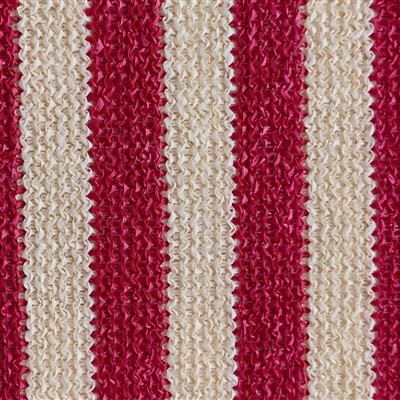
First, let’s start with the most common category that people often mix up: non-woven wall fabrics. I know, I know—you’ve heard “non-woven” before, but here’s what actually matters for anyone buying or installing it. Non-woven fabrics are made from bonded fibers (usually polyester, cellulose, or a blend) that are pressed and glued together, rather than woven like a shirt or a scarf. That’s the key difference. The result is a stable, rigid material that doesn’t stretch or shrink much. For most residential and light commercial spaces, this is our best-selling type. Why? It’s beginner-friendly. You can apply the adhesive directly to the wall, not the fabric, which means fewer bubbles and less mess for DIYers. The fibers aren’t porous in a bad way—they resist moisture (perfect for bathrooms with steam, or kitchens near sinks) and don’t hold onto dust as much as other types. I once had a first-time homeowner come to me panicking because they’d put up vinyl wall fabric and messed up the alignment on their first try; switching to non-woven fixed that issue. The only downside? It’s not as flexible as woven fabrics, so it doesn’t work well for irregular walls (like old homes with uneven plaster). But for 80% of the projects we service, non-woven is the go-to.
Next up, woven wall fabrics—this is the luxury option, the stuff you see in high-end hotels and boutique homes. Woven fabrics are made the old-fashioned way, with individual threads interlaced to create a pattern. The threads can be cotton, linen, silk, wool, or even synthetic blends designed for wall use. What makes woven special is its texture. Run your hand over a woven wall fabric and you’ll feel a tactile difference—something soft, not flat like printed non-woven. We supply a lot of these for dining rooms and living rooms where people want a cozy, layered feel. But they have a catch: installation is trickier. Because woven fabric stretches, you have to apply adhesive to the back of the fabric, not the wall, and work quickly to align it before it shifts. They’re also not the best for high-moisture areas—silk woven fabrics can stain easily, and even synthetic woven ones hold more humidity than non-woven. The biggest benefit, though, is durability. Wool woven fabrics can last 20+ years if cared for, and their texture never looks dated the way a bold printed non-woven might. I once did a project for a client’s grandmother’s 1960s living room—she wanted to keep the retro vibe but make it feel new, so we used a subtle woven linen fabric with faint geometric threads, and it looked like it was installed yesterday, even though it blended with the room’s original midcentury bones.
Then there’s vinyl wall fabric, the most misunderstood type. A lot of people think vinyl is cheap, but that’s not always true. Vinyl wall fabric is a layered product: a vinyl coating bonded to a fabric backing (usually non-woven or woven). It’s waterproof, stain-resistant, and extremely durable—we use this for commercial spaces like restaurants, daycare centers, and hallways where walls get bumped, spilled on, or cleaned often. Wait, no scratch that—actually, we don’t use vinyl for just commercial spaces. A lot of families with young kids come to us and ask for vinyl, because it’s easy to wipe clean. Spill grape juice? Wipe it off with a paper towel. Smudge from crayons? A mild soap and water solution takes it right off. The downside is that cheap vinyl (the kind sold at big-box stores) can peel over time, and it doesn’t breathe—so in hot, humid climates, it can trap moisture between the wall and the fabric, leading to mold. That’s why as a supplier, we only carry premium vinyl wall fabrics that have a breathable backing, which solves that mold issue. The key with vinyl is quality—low-grade is a nightmare, but high-grade is worth the investment for high-traffic areas.
Now, let’s talk about the types that are a bit more specialized, for when the main categories above don’t fit the project. First, grasscloth and natural fiber wall fabrics. These are made from natural materials like jute, bamboo, seagrass, or hemp, woven into sheets. They’re perfect for bohemian, coastal, or minimalist spaces. I love working with grasscloth because it adds a warm, organic feel that no synthetic fabric can. But here’s what people don’t always know: natural fiber wall fabrics are fragile. They can’t get wet—so no bathrooms, no kitchens, no spaces where someone might spill a drink. They also show dust and dirt easily, so they’re not ideal for homes with pets (pet hair sticks to the rough surface, and it’s hard to vacuum without snagging the fibers). We always warn clients about this, even when they beg for that beachy look. But if you have a quiet living room or a bedroom, grasscloth is unbeatable. I did a project for a client who wanted a calm, serene bedroom, and we used thin seagrass wall fabric in a neutral beige—she said it made the room feel like a quiet cottage, even in the middle of a busy city.
Another specialized type is acoustic wall fabric, which is exactly what it sounds like—designed to reduce noise. This is a game-changer for home theaters, home offices, apartments that share walls, or any space where echo is a problem. Acoustic wall fabric is usually a woven or non-woven outer layer bonded to a dense sound-absorbent core (often foam or felt). It doesn’t just look good—it actually improves the acoustics of a room. I’ve installed these for home theater clients, and the difference is night and day—you don’t hear echo when you watch a movie, and conversations in an adjacent room are much quieter. A common mistake people make is thinking any thick fabric is acoustic, but that’s not true. You need the specific core material to absorb sound, so as a supplier, we only work with acoustic fabrics that are tested for noise reduction coefficient (NRC) to make sure they actually perform as advertised.
I should also mention printed wall fabrics, though technically printing is a finish, not a category of fabric itself. Printed wall fabrics can be any of the above types—non-woven, woven, vinyl, even grasscloth—with a design printed on them. The printing quality matters a lot: cheap prints will fade in sunlight, while premium prints use UV-resistant inks that last 10+ years. We’ve had clients who want custom prints—like a photo of their family’s vacation or a company logo for an office—so we also offer custom printed wall fabrics. That’s a service a lot of general suppliers don’t do, which is why many of our repeat customers come back for one-of-a-kind projects.
Now, let’s get real about what I see clients struggle with most when choosing a wall fabric. It’s not just about the type—it’s about matching the fabric to the space. For example, a client who wants a bold red fabric for their kids’ playroom: we’ll steer them toward premium vinyl, because it’s stain-resistant and durable, not a woven cotton fabric that will hold onto juice stains. A client who wants a cozy reading nook: woven wool or soft non-woven with a subtle pattern will work, not vinyl. A client who lives in a rainy, humid climate: we’ll recommend non-woven or breathable vinyl, not natural fiber grasscloth that will mold over time.
Over the years, I’ve learned that the best wall fabric choice isn’t the most expensive or the trendiest—it’s the one that fits how the space will be used. I’ve had clients come to me convinced they need grasscloth because it’s popular, only to realize it’s not practical for their home with two dogs. I’ve had restaurant owners come in thinking vinyl is cheap, only to upgrade to premium vinyl that looks just as nice as woven but holds up to way more wear.
At the end of the day, wall fabric is an investment in your space. It’s not just wallpaper (though sometimes people use the terms interchangeably—wall fabric is thicker, more flexible, and longer-lasting than traditional wallpaper). It’s something you’ll look at every day, that affects how a room feels, that can make a small space feel bigger or a large space feel cozier.
If you’re renovating a room, building a new home, or outfitting a commercial space and you’re not sure which type of wall fabric is right for you, I’m here to help. I’ve worked with all these types for years, and I can answer your questions, walk you through samples, and find a fabric that fits your needs, budget, and style.
Don’t hesitate to reach out for a consultation to discuss your project needs and explore our full range of wall fabric options.
PP Woven Cloth References
- Wallcovering Industry Association. (2022). Comprehensive Guide to Wall Fabric Types and Applications. WIA Publications.
- Architectural Digest. (2023). The Ultimate Breakdown of Wall Fabrics for Every Room. Architectural Digest Media.
- National Kitchen and Bath Association. (2021). Durable Wall Fabric Solutions for High-Moisture Residential Spaces. NKBA Research.
- Acoustical Society of America. (2022). Sound-Absorbing Materials for Interior Design: A Practical Guide. ASA Press.
- Textile Institute. (2023. Wall Fabrics: Material Science, Installation, and Longevity. The Textile Institute.
Nanping Kingway New Material Co., Ltd.
As one of the most professional wall fabric manufacturers and suppliers in China, we also support customized service. With abundant experience, we warmly welcome you to wholesale durable wall fabric in stock here from our factory. If you have any enquiry about pricelist, please feel free to email us.
Address: No. 10, Chengnan Branch Road, Chengjiao Town, Nanping, Fujian, China.
E-mail: npjwxcl@aliyun.com
WebSite: https://www.suernew.com/
