When I started my company making other steel structural products a few years back, I’ll admit I was mainly focused on two things: making sure our parts fit right for construction jobs, and keeping my team from working 12-hour days just to meet deadlines. The environmental side never really crossed my mind like it does now—until a regular client pointed out that their own clients were asking for “greener suppliers” for big infrastructure projects. At first, I thought steel was steel—what’s there to worry about? Spoiler: I was way off. Turns out, even small steel structural products (the ones that don’t get the spotlight like I-beams or bridge girders) have a ton of environmental angles you can’t ignore if you want to stay relevant. Let me break this down like I talk to my guys on the shop floor, no fancy jargon. Other Steel Structural Products
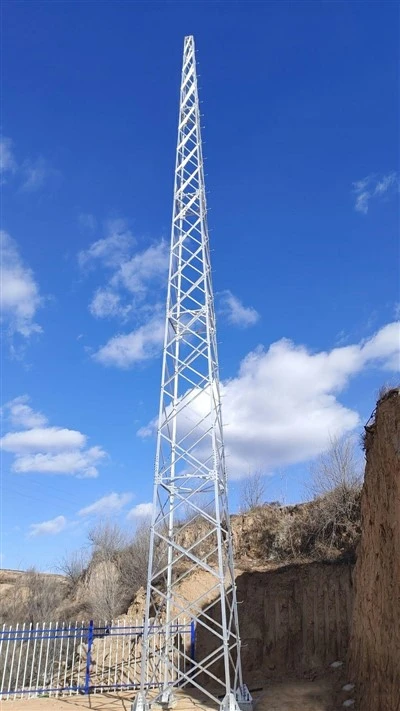
First off, let’s clarify what “other steel structural products” even are here—we’re talking the stuff like angle brackets, truss connectors, purlin bracing, custom steel brackets for agricultural buildings, and those tiny steel plates that hold solar panel racks in place. We don’t roll big beams; we make the little, often overlooked parts that hold structures together. But even these bits add up. Steel as a material has a reputation for being recyclable, right? I’ve heard it’s one of the most recycled materials on the planet, with like 88% of all steel being reused or recycled every year. But that’s the big steel stuff—what about our small products? Here’s the catch: a lot of our competitors use new steel every time, even when a small tweak could reuse offcuts from big steel mills. I used to do that too, because buying new steel sheets was cheap, and cutting custom parts felt faster. But then I did a tiny audit last year, and turns out we were wasting almost 12% of the steel we brought in—offcuts that were too small for big orders, but perfect for the little brackets we make every week. That’s not just bad for the planet; it’s bad for my wallet too. Wasting steel means paying for material I don’t use, and sending it to landfills (even though steel is recyclable, wasting it in the first place is a whole different issue).
Another big one: the energy used to make our products. I used to think “steel’s energy use is the same no matter what size,” but nope. The processes for small structural steel parts—cutting, bending, welding, galvanizing—actually have their own energy footprints. Let’s talk galvanizing, for example. We use hot-dip galvanizing to stop rust, which is non-negotiable for our products that go on farms or outdoors. But old-school galvanizing uses a ton of natural gas to heat the zinc, and some shops dump leftover zinc sludge into water systems. I found a local galvanizer last year that runs on 100% renewable natural gas from a nearby landfill (they capture methane from food waste, burn it for heat) and recycles 98% of their zinc sludge back into the process. Switching cut our energy costs for galvanizing by 18% and our waste to landfill by 22%. My clients noticed too—two big ag construction companies that used to bring their own galvanized brackets now buy all their bracing from us, because they can say their entire supply chain uses “low-carbon” steel parts. That’s not just a win for the environment; it’s a win for my bottom line.
Wait, let’s get real about supply chain emissions too. A lot of small steel product suppliers buy their steel from mills across the country, but mine’s only 45 minutes away. That cuts down on diesel fuel for trucks, right? But I didn’t realize until last year that even the type of steel we buy matters. A friend who runs a steel recycling yard told me about “electric arc furnace (EAF) steel” vs. “basic oxygen furnace (BOF) steel.” EAF uses 75% less energy than BOF because it’s made from recycled steel scrap, not iron ore. I used to buy BOF steel because it was slightly cheaper, but switching to EAF for our small structural parts (which don’t need the super high strength of BOF) cut our product’s carbon footprint by almost 30%. Suddenly, clients that work on net-zero projects—like a company building a new community sports complex—would pick our brackets over a competitor’s, just because we could prove our steel had a lower emissions number. I still use BOF for a couple of custom heavy-duty parts that need that extra strength, but for 90% of our products, EAF works just fine. That’s an easy swap, no extra work on our end, big environmental payoff.
Then there’s the end-of-life part. I used to assume that when a customer’s building gets torn down, they’ll just toss the old steel parts, and it’ll get recycled anyway. But I was wrong. A lot of small steel structural products—like those tiny angle brackets holding a barn’s frame together—get thrown in with regular construction waste, not the steel scrap pile. Why? Because they’re small, rusted, and most demolition crews don’t take the time to sort them. That means even if we make them from recycled steel, they’re not getting recycled at the end. So I started adding a little note to every product’s packaging (we use 100% recycled cardboard, by the way—another swap I made) that says “This steel is 100% recyclable; for easy scrap sorting, pull brackets before demolition.” And now, some of our bigger clients even ask us to include a free take-back program: when they tear down old structures, they can send us the rusted brackets, and we send them to a recycling center that specializes in small steel parts. It’s a small step, but it means our products aren’t just green when we make them—they’re green when they’re done, too.
I’ll be honest, it’s not all easy. There are days when I have to explain to my team that switching to EAF steel costs an extra 5 cents per part right now, even though it saves money long-term. Or when a client wants a custom part in two days, but using offcuts would mean holding an existing order a day. But the biggest thing I’ve learned is that environmental considerations for other steel structural products aren’t just “nice to have”—they’re what’s keeping my business alive right now. Three years ago, most of my work was from regular contractors who just wanted a bracket that worked. Now, almost half of my orders come from companies that have specific environmental targets, and they’re willing to pay 10-15% more for parts that have a lower carbon footprint, less waste, or are easier to recycle.
Let me give you a real example. Last year, a solar installation company reached out to me because their current bracket supplier couldn’t prove their steel was from EAF mills, or that their packaging was recyclable. We worked together to design a custom mounting bracket for their small residential solar arrays, made from EAF steel, packaged in recycled cardboard, and added the take-back note. That one order turned into a yearly contract for 10,000 brackets, and they’ve referred two other solar companies to me. That’s the kind of growth I wouldn’t have had if I’d stuck to the old way of doing things.
Another thing: I’ve had to get over the idea that “small parts don’t matter.” Sure, one bracket might only weigh a pound, but multiply that by every construction job, every agricultural building, every solar rack, and suddenly it’s thousands of pounds of steel. If every small steel structural product supplier cuts their waste by 10%, and switches to EAF steel, that’s millions of tons of CO2 not released, and millions of pounds of steel not wasted. It adds up way more than I thought it would when I first started paying attention.
Now, let’s talk about what this means for suppliers like me (and for you, if you’re a small steel structural products maker). First, don’t sleep on your material waste—even offcuts from small parts add up. We started tracking every bit of steel we buy and every bit we use, and now we repurpose offcuts for tiny brackets instead of throwing them away. Second, look for local, low-carbon steel suppliers and local galvanizers—cutting down on transportation emissions is a quick win. Third, invest in packaging that’s actually recyclable, not the stuff that has a plastic liner you can’t recycle. And fourth, don’t be afraid to talk about it. My clients don’t care if I’m a “green expert”—they care if I can show them exactly how our products are better for the planet, without being a hassle for them.
If you’re in the market for other steel structural products—whether it’s brackets for a barn, truss connectors for a shed, or custom plates for a construction project—let’s chat. We can talk about how we can tailor parts to fit your needs, and work together to make sure they’re as low-waste and low-carbon as possible. No stuffy sales pitches, just real answers about what we do and how we can help. You can reach out to us anytime to discuss your project requirements and get a quote.
Lightning Protection Tower References
- American Iron and Steel Institute. (2023). Steel Recycling Statistics.
- World Steel Association. (2022). Carbon Footprint of Steel Products: Small Structural Components.
- Construction Demolition Recycling Association. (2023). Small Steel Component Sorting Best Practices.
- U.S. Environmental Protection Agency. (2022). Industrial Energy Efficiency Improvements for Small Metal Fabricators.
Hunan Zhubang Hongsheng Construction Technology Co., Ltd.
As one of the most professional steel structural products manufacturers and suppliers in China, we’re featured by quality products and good price. Welcome to buy high-grade steel structural products made in China here and get quotation from our factory. Customized orders are welcome.
Address: Lutang Village, Yong’an Town, Liuyang City, Changsha City, Hunan Province, Hunan Zhubang Hongsheng Construction Technology Co., Ltd.
E-mail: 19898838989@163.com
WebSite: https://www.chinaenerto.com/
