Hey everyone, let’s cut to the chase – I’m the guy who sources medical endoscope cameras for clinics and hospitals, and let’s be real, when you’re talking about tools that go inside a patient’s body, ethics aren’t just a buzzword – they’re the thing that keeps the whole system from going sideways. I’ve been in this game for 7 years now, and every day I’m on calls with procurement teams, OR managers, even small specialty clinics, and one question always comes up way more than you’d expect: “Wait, is this camera we’re using actually ethical?” So let’s break this down like we’re chatting over a coffee after a long shift, no stuffy jargon, no textbook fluff. Medical Endoscope Camera
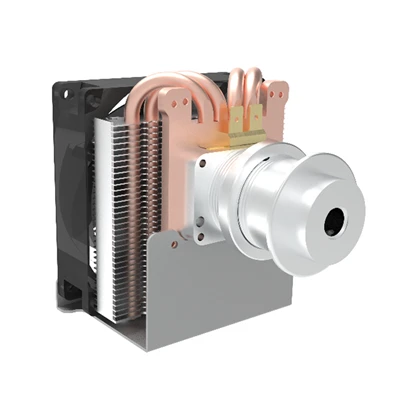
First off, let’s get one thing straight: medical endoscope cameras aren’t like the GoPro you use on your weekend hike. These things are thin, flexible, slip down a throat, a colon, even a blood vessel, and they’re the only way a surgeon can see what’s going on without cutting someone open from ear to ear. But with that comes a mountain of ethical choices that start before the camera even leaves my warehouse, and don’t stop until the footage is deleted. Let’s start with the biggest one that’s been on every regulator’s radar lately – patient privacy.
I’ll be honest, when I first got into this, I thought privacy was just about not airing a patient’s colonoscopy video on TikTok. Turns out, it’s way deeper than that. Endoscope cameras capture super specific, identifiable stuff – not just a mole or a growth, but scars, unique moles, even the way a patient’s anatomy is shaped. And clinics are storing this footage on servers, sometimes even sharing it with radiologists or specialists who aren’t even in the same building. But here’s the catch: not all the cameras I supply have the same built-in privacy features. Some have end-to-end encryption straight out of the box, so footage can only be accessed with a specific clinic login and a two-factor code. Others – the cheaper, no-name ones that some clinics try to sneak in – just store footage on a tiny internal hard drive that anyone can plug into a random computer and pull up. Last year, I had a small gastro clinic reach out to me panicking because their old camera’s hard drive crashed, and they lost 3 months of footage – plus, their old IT company didn’t know how to wipe the drive properly, so a guy at a repair shop actually found 120 patient videos. That’s not just a HIPAA violation (or whatever your country’s patient privacy law is – I work with clients in the US, EU, and parts of Southeast Asia, so it varies, but the core is the same) – that’s a huge ethical failure. As a supplier, I refuse to carry cameras that don’t have mandatory built-in data erasure protocols. Like, when a clinic retires a camera, you have to push a button to securely wipe all footage before it’s even eligible to be resold or recycled. No exceptions. Because if I put that garbage camera in a clinic, I’m complicit in that breach.
Next up, let’s talk about patient autonomy – that’s the right of a patient to know what’s happening with their body, right? So here’s the thing: most endoscopies today record footage, but a lot of patients don’t even know that. I can’t tell you how many times I’ve talked to a patient who called their clinic after a colonoscopy going, “Wait, you recorded the whole thing? Why didn’t anyone tell me?” And now, clinics are using that footage for all kinds of stuff – teaching med students, research papers, even training new surgeons. But do patients get a say in that? Ethically, no. Wait, no – yes they should. That’s autonomy. So the cameras I supply now have a little audio prompt that plays before the procedure starts – the surgeon or nurse can’t skip it – that says, “This procedure is being recorded. Do you consent to the footage being used for your care only, or for medical research/education with your name removed?” Some people say, “That slows down the procedure!” But c’mon – a 10-second prompt is nothing compared to a patient feeling like their body footage is being used without their permission. Last quarter, a big cancer center switched to our cameras specifically because they had a patient who sued them for using her endoscopy footage in a research paper without telling her. They were tired of the hassle, and we made the consent part automatic, so there’s no way to skip it. That’s the kind of small, ethical tweak that makes a huge difference – and it’s stuff I push my manufacturers to add, not just because it’s the right thing, but because it keeps clinics out of trouble.
Wait, let’s not skip over the clinical safety angle here, because ethics and safety are two sides of the same coin. Endoscope cameras have to go through super strict sterilization steps, right? They’re reusables (mostly – there are disposable ones, but those are for single-use procedures, like a tiny biopsy). But here’s the thing: a lot of cheaper cameras have parts that crack or wear out after a few sterilization cycles, which can leave tiny scratches on the lens. Those scratches don’t sound like a big deal – but they distort the image, so a surgeon might miss a tiny polyp or a pre-cancerous cell. That’s not just a clinical error – that’s an ethical failure, because you’re not giving the patient the best possible care. So when I’m vetting cameras, I don’t just look at the price. I look at how many sterilization cycles the lens can handle before it starts degrading. I test the scratch resistance, I ask the manufacturer for data on how many clinics have reported issues with image distortion after 100, 200 cycles. Last year, I dropped a line of cameras because their lenses only held up 80 cycles max – the cheaper ones were saving clinics like $500 per unit, but the horror stories I was hearing about missed diagnoses were not worth it. Ethical considerations here mean that a cheap camera that’s “good enough” for some procedures isn’t actually good enough when it comes to putting a patient’s life at risk.
Another big one – and this is something not a lot of people talk about – is equity in access. Wait, how does an endoscope camera supplier tie into that? Let me explain. There are a ton of small, rural clinics that can’t afford the high-end, 4K, ultra-clear endoscope cameras that big city hospitals use. But those rural clinics often serve low-income patients who can’t travel to a big city for procedures. If I only supply the most expensive, top-tier cameras, I’m perpetuating a system where rich patients get better diagnoses, and poor patients get stuck with blurry footage that’s hard to read. That’s a huge ethical red flag. So now, I work with two different lines of cameras: one is the high-end 4K model for big teaching hospitals and cancer centers, the other is a mid-tier camera that’s still FDA (or CE, or whatever approval is needed) certified, has good image quality for most standard procedures, and is 30% cheaper. It’s not cutting corners on safety – it passes all the clinical tests, has the privacy features, the consent prompts, the durability. It’s just not packed with extra bells and whistles that big hospitals pay for, like built-in AI that tags polyps (wait, that’s another ethical point – AI integration! But let’s hold that thought). For a small rural clinic in Ohio or rural Thailand, that mid-tier camera can mean the difference between a correct colon cancer diagnosis and a missed one. That’s equity, and it’s not something I can ignore as a supplier. I don’t want my business to be part of a system where access to good care is based on how much money you have.
Wait, let’s circle back to that AI thing, because that’s a hot topic right now. A lot of new endoscope cameras have built-in AI that can flag potential polyps or abnormal tissue, so the surgeon doesn’t miss them. That sounds like a win, right? But ethically, it’s a double-edged sword. First, the AI has to be trained on diverse patient populations, not just white men in their 50s (which is what most old AI is trained on). If the AI only recognizes the features common in that group, it’ll miss abnormal tissue in women, people of color, patients under 40. That’s biased, and it’s unethical. So when I’m choosing which AI-enabled cameras to stock, I make sure the manufacturer publishes their training data – how many patients, what demographics, how many cases from underrepresented groups. Last year, I had a manufacturer reach out with a new AI camera, but their training data was 90% white men. I told them straight up, “If you don’t add 2,000 cases from women, 1,500 from Black and Latino patients, and 1,000 from Asian patients, I can’t carry your camera.” No ifs, ands, or buts. Because I won’t supply a tool that’s going to misdiagnose half the patients who use it. Also, another ethical point with AI: some clinics are using the AI to cut staff – like, having a tech review the flagged footage instead of a surgeon. That’s a problem, because a surgeon’s judgment is still needed to confirm a diagnosis. So I also make sure the manufacturers I work with have clear guidelines that the AI is a tool for the surgeon, not a replacement. That’s the kind of fine print that makes all the difference.
Now, let’s talk about something that’s closer to home for me – end-of-life for these cameras. When an endoscope camera is at the end of its life – like, after thousands of sterilization cycles, or the lens is too scratched – what do you do with it? They have tiny parts, batteries (wait, most modern ones have rechargeable lithium-ion batteries), even small amounts of medical-grade plastic. If you just toss them in a landfill, the batteries can leak toxic chemicals, and the plastic can leach into the soil. But some manufacturers make it impossible to recycle them, because their parts are sealed so tight you can’t take them apart. So as a supplier, I only work with manufacturers that have a free take-back program. When a clinic sends back an old camera, the manufacturer takes it apart responsibly, recycles the metal and plastic, safely disposes of the batteries, and even donates the working parts of the camera to low-income clinics in developing countries. Last year, we took back 200 old cameras through our manufacturer’s take-back program, and 80 of their working parts were refurbished and sent to clinics in Kenya that can’t afford new cameras. That’s ethical, right? It’s not just selling a camera and forgetting about it – it’s taking responsibility for the whole lifecycle of the product, because it’s a medical device that touches human lives from start to finish.
I’ve been in this game long enough to see the mistakes. I’ve had a clinic return a camera to me because the privacy feature wasn’t working, and they almost got audited by their country’s health regulator. I’ve had a surgeon tell me that the mid-tier camera I supplied helped them diagnose a polyp that would have been missed with the older model they were using. I’ve also had to turn down big orders from clinics that wanted to skip the consent prompt to speed up procedures. At the end of the day, being a medical endoscope camera supplier isn’t just about moving units. It’s about being the middleman that makes sure ethics aren’t an afterthought, tucked in the fine print of a product spec sheet. It’s about balancing cost, quality, and patient care, because every camera that leaves my warehouse is going to help a doctor make a diagnosis, or help a patient get better.
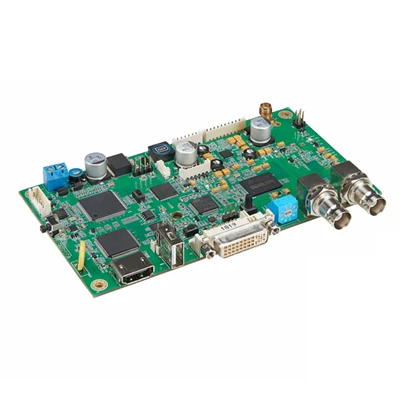
If you’re a clinic manager, procurement lead, or OR director, and you’re tired of dealing with suppliers that cut corners on ethics and safety, hit me up to talk about your needs. I can walk you through the different lines I carry, help you pick a camera that fits your budget without compromising on privacy, safety, or equity, and answer any questions you have about anything I touched on here – from data encryption to sterilization cycles to take-back programs. No sales pitch, just straight talk about making choices that matter.
Medical Endoscope Camera System References:
- American Medical Association. (2022). Ethical Considerations in Digital Health Technologies for Patient Care.
- World Health Organization. (2021). Medical Device Lifecycle Management: Ethical Guidelines for Reusable Endoscopes.
- Journal of Medical Ethics. (2023). Patient Autonomy in Medical Imaging: Consent for Footage Use in Research and Education.
- Food and Drug Administration. (2022). Clinical Safety Requirements for Endoscopic Imaging Systems.
- Global Health Equipment Initiative. (2021). Equity in Access to Medical Devices for Low- and Middle-Income Clinics.
Shenzhen INNOP Medical Instruments Co., Ltd.
With abundant experience, we are one of the leading manufacturers and suppliers of medical endoscope camera in China. Please feel free to buy advanced medical endoscope camera in stock here from our factory. We also accept customized orders.
Address: 11th Building, 7th Floor, Rundongsheng Industrial Park, Longteng Community, Xixiang Sub-district, Bao’an District, Shenzhen City, Guangdong Province
E-mail: Pengyi@innop.cn
WebSite: https://www.innopmedical.com/
