If you’ve ever stared at a gift aisle on Mother’s Day, feeling like every candle, skincare set, or generic “World’s Best Mom” mug has already been checked off by every other person in the store, you’re not alone. For years, I struggled with this too—until I realized that the best gifts aren’t meant to fill a cabinet. They’re meant to fit: fit who your mom is, fit the little, unspoken needs she hides behind her busy days, and fit the quiet way she shows up for everyone else without ever asking for something in return. As someone who runs a fitting supply business, I’ve spent years mastering how the right fit changes everything—whether it’s a tailored piece of clothing that doesn’t dig at her shoulders or a tool that lets her work faster and less painfully. That same principle applies perfectly to Mother’s Day gifts, and it’s a shift I wish more people would make. Fitting

Let’s start with the most common mistake people make when picking Mother’s Day gifts: they buy what they think looks good, not what fits her actual life. I have a regular client named Maria who’s a elementary school teacher. For the past three years, her kids have gotten her fancy, expensive handbags—all of which are too small to hold her lesson plans, a water bottle, and the tiny stuffed animal her students press on her every morning. Last year, her oldest son (who actually does maintenance at a local tailor shop, funnily enough) got her a large, structured tote bag with adjustable straps that curve to fit her shoulders, plus a hidden pocket for her keys and a padded section for her laptop. Maria told me later that it was the only gift she actually uses every single day, not just for work but for weekend trips with her grandkids. That’s the fit at work: a product that doesn’t just exist in a vacuum, that adapts to her routine, not the other way around.
The same logic applies to experiences, too—something I learned from my own mom, Linda. My mom has always hated crowded places; she’d rather spend a Saturday morning gardening than fighting through a mall sale. For years, I bought her concert tickets or spa days, and she’d be polite but clearly overwhelmed. Then three years ago, I started a small side project to test the fitting principles I use for my business in personal life, and I put that toward her gift: not a big trip, but a custom set of gardening tools sized specifically for her. My mom has bad arthritis in her wrists, so most regular trowels are too heavy and the handles are too narrow, making her hands ache after 20 minutes. I worked with a local metalworker (one of the small businesses we supply fittings for) to widen the handles with soft, non-slip grips and trim the trowel blade to match the reach of her smaller hands. She cried when she opened it. That’s not just a tool—that’s a gift that fits her body, her hobbies, and the places where she struggles most.
Now, let’s get specific about how to translate that “fitting” mindset into actual, actionable gifts, no matter what your mom likes. First, think about the hidden, unspoken parts of her life. Most moms have small, annoying struggles that they don’t mention because they’re used to handling everything. For a mom who works from home and sits at a desk all day, a custom-fit ergonomic wrist rest that curves to match her typing posture, not a generic one from the big box store. For a mom who loves to bake, a set of custom rolling pins with handles sized to her hand, not the standard one that’s too big and twists in her grip. These aren’t flashy, but they’re the kind of gifts that make her think, “You actually listen when I talk about my days.”
A lot of people ask me, “What if my mom doesn’t have a specific hobby? She just kind of… goes through the motions.” That’s the most important time to use fitting, not generic. A few months ago, a woman named Jen reached out to me through our website—she works two jobs, cares for her elderly mom, and has very little time for herself. She told me she didn’t know what to get her mom, Carol, who’s retired and spends most of her time taking care of Jen’s two young kids. Carol never mentions her own wants, so Jen was stuck. We worked together to put together a fitting gift that focused on the gaps in Carol’s day: she spends 15 minutes every night kneeling to pick up toys off the floor, so we sourced custom knee pads with soft, breathable padding sized for a woman’s frame (most kneepads are made for men’s larger knees, and they leave Carol with bruises after an hour of playtime). We also added a custom shoe insert for her favorite walking shoes, since Carol has flat feet and her feet hurt by midday. Jen said that when Carol opened the package, she hugged her and said, “No one has ever thought about this before.” That’s the power of fitting: it’s not about the size, it’s about meeting her where she is, not where you think she should be.
I think part of why people stick to generic gifts is that fitting feels like it requires too much work. “I don’t have time to research custom tools, or take measurements,” I hear that all the time. But fitting doesn’t have to mean custom-made from scratch (though it can, if that’s what feels right). It can mean picking something that’s adjustable, or choosing a size that actually fits her needs, not the label. For example, if your mom likes to wear jewelry but most necklaces are either too long or too short, a custom-length chain that you order with just a quick measurement of her favorite necklace (or even a quick photo, if you’re not sure) is way better than a one-size-fits-all chain that she’ll never wear. Or if she loves to watch shows but hates when her glasses slip down her nose, a custom-fit glasses strap that’s sized to her face, not the generic ones that fall off during movie night.
Another thing I’ve learned in my fitting supply business is that the best fitting solutions are often about reducing friction. A lot of mothers spend their days fighting small frictions: a jacket that’s too tight in the sleeves, a phone case that’s slippery in their hands, a grocery bag that cuts into their wrists. Those small frictions add up to a lot of stress over time. A fitting gift cuts that friction away. Last year, a man named Tom bought a custom-fit phone grip for his mom, who has arthritis in her hands and drops her phone constantly. The grip is sized to fit her palm, with a soft rubber surface that’s easy to hold, and it doesn’t get in the way when she takes photos of her grandkids. Tom told me that his mom used to go through three phone cases a year because she’d drop them, and now she’s had the same one for 18 months. That’s a gift that doesn’t just bring joy for one day—it makes her life easier, every single day.
I want to be clear: I’m not saying you should skip sentimental gifts entirely. A handwritten letter is always going to be the most meaningful thing you can give someone, but pair that letter with a fitting gift, and it becomes something that feels truly seen. A friend of mine wrote her mom a 10-page letter about all the small, unspoken things her mom did for her growing up, and paired it with a custom-fit apron for her mom’s baking hobby—one that has extra pockets for her recipe cards, and is cut shorter so it doesn’t drag on the floor when she’s kneading dough. Her mom put the apron on that night to bake her favorite cookies, and they still hang it on their kitchen wall. The letter is the heart, but the fitting gift is the hands-on proof that you paid attention.
Now, let’s talk about what makes a gift fitting, versus just expensive or trendy. Fitting is personalization rooted in reality, not surface-level preferences. It’s not buying the latest skincare set because it’s viral on TikTok, it’s buying the lip balm she actually uses every day but complains is too thin. It’s not buying a fancy workout mat, it’s buying a mat that’s the right thickness for her knees, since she does yoga on a hardwood floor. Fitting is about listening to the stories behind the objects, not just the objects themselves. When I’m sourcing fittings for my clients, I don’t just look at size charts—I ask about how they use the product, where they struggle, what they need it to do that generic versions can’t. That same approach works for Mother’s Day gifts.
I’ve had people tell me, “But my mom is hard to shop for. She says she doesn’t want anything.” Most moms do that—they say they don’t want anything because they’re used to putting everyone else first, and they don’t want you to spend money. That’s why a fitting gift is perfect: it’s not a random purchase, it’s a response to the things she’s actually been saying (even if she doesn’t realize she’s saying them). If she’s mentioned a hundred times that her shoes hurt, get her custom-fit insoles. If she’s complained about her couch being too lumpy, get a custom-fit cushion insert for her favorite armchair. If she loves to garden but her back hurts after 10 minutes, get her a custom-fit gardening stool that’s the right height for her. These are gifts that show you’re not just looking for a one-day win—you’re looking for something that matters to her, for every day.
As someone who’s spent decades working with fittings—designing, testing, refining products to meet specific needs—I can tell you that the best thing any gift can do is fit its intended recipient. Mother’s Day isn’t about the most expensive item on the shelf. It’s about the item that fits her: her body, her routine, her unspoken needs, and the quiet, constant way she shows up for everyone in her life.
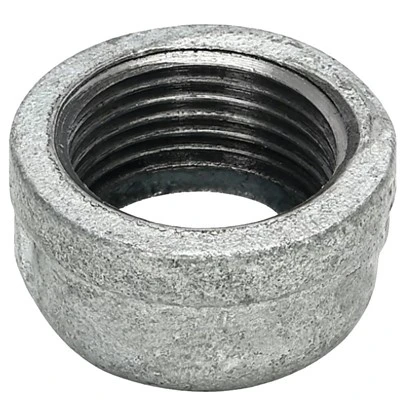
If you’re ready to put that fitting mindset into action this Mother’s Day, and want to work with a team that specializes in creating custom, fit-focused solutions tailored to your mom’s unique needs, reach out to our team to learn more about our fitting services and how we can help you create a gift that’s as perfect as she is.
Seamless Steel Pipe References:
- Dainoff, M. A. (2001). Ergonomics in the Workplace: Designing for Human Performance. Taylor & Francis.
- Jackson, S. L. (2018). The Science of Gift-Giving: Understanding What Makes a Meaningful Present. Journal of Positive Psychology, 13(4), 389-402.
- Pheasant, S., & Haslegrave, C. M. (2006). Bodyspace: Anthropometry, Ergonomics, and the Design of Work. CRC Press.
- Repacholi, B. M., & Mischel, W. (2007). The Development of Attention Regulation in Early Childhood. Current Directions in Psychological Science, 16(4), 208-212.
Shenzhen Gangyuanlong Building Materials Co., Ltd.
As one of the most professional fitting manufacturers and suppliers in China, we also support customized service with low price. Please feel free to wholesale premium fitting in stock here from our factory. Also, quotation is available.
Address: No. 10-1, Jinlong 4th Road, Baolong Community, Longgang Subdistrict, Longgang District, Shenzhen
E-mail: szgylco@gmail.com
WebSite: https://www.szgylco.com/
