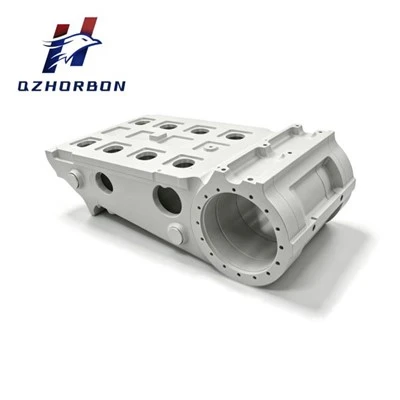
In the dynamic world of industrial operations, crusher end frames play a vital role, serving as an integral component in various crushing machinery. As a crusher end frames supplier, I’ve witnessed firsthand the widespread adoption of these frames across the industry, valued for their structural support and stabilizing function during the crushing process. However, like any industrial product, crusher end frames are not without their drawbacks. Understanding these disadvantages is crucial for both suppliers like me and customers who rely on this equipment. This blog aims to explore the less – discussed aspects of using crusher end frames, providing an in – depth analysis to help businesses make more informed decisions. Crusher End Frames
1. High Initial Investment
One of the most significant disadvantages of using crusher end frames is the high initial cost. The production of high – quality crusher end frames requires advanced manufacturing technology and expensive raw materials. Precision machining, for instance, is essential to ensure that the end frames can withstand the high – pressure environment of the crushing process. Using high – grade steel increases the overall strength and durability of the frames but also significantly raises the cost.
For small and medium – sized enterprises, the upfront investment in crusher end frames can be a substantial financial burden. This is particularly challenging when considering that crushers often operate in harsh environments, and the end frames need to be replaced periodically due to wear and tear, further increasing the long – term cost of ownership. These high costs can limit the competitiveness of companies, especially those operating on tight budgets, as they must allocate a large portion of their capital to acquire and maintain this equipment.
2. Limited Lifespan and Frequent Replacement
The lifespan of crusher end frames is relatively limited, mainly due to the extremely harsh operating conditions in which they are used. During the crushing process, the end frames are subjected to repeated high – intensity impact, vibration, and pressure. Rocks and ores, varying in hardness and shape, continuously collide with the crusher’s internal components, causing significant mechanical stress on the end frames.
This wear and tear can lead to various problems, such as cracks, deformation, and loosening of parts. Once these issues occur, the performance of the crusher will be severely affected, and in some cases, it may even cause complete breakdowns. As a result, regular replacement of crusher end frames is often necessary. The frequency of replacement not only increases the cost but also leads to extended downtime for maintenance and replacement, disrupting production schedules and reducing overall productivity.
3. Heavyweight and Transportation Challenges
Crusher end frames are typically large and heavy, which presents a series of challenges in terms of transportation and installation. Their substantial weight requires specialized transportation equipment, such as heavy – duty trucks and cranes, to move them from the manufacturing facility to the installation site. This not only increases transportation costs but also requires careful planning and coordination to ensure safe delivery.
During installation, the large size and weight of the end frames also pose difficulties. Specialized installation teams and equipment are needed to lift and position the frames accurately, adding to the overall installation time and cost. In addition, the need for large – scale transportation and installation equipment may make it difficult to deploy crushers in remote or hard – to – reach areas, limiting the range of application scenarios.
4. Environmental Impact
The production and use of crusher end frames also have a certain environmental impact. The manufacturing process of crusher end frames involves a large amount of energy consumption, including the smelting of steel and the operation of machining equipment. This high – energy consumption not only contributes to increased carbon emissions but also places a strain on global energy resources.
In addition, the disposal of worn – out crusher end frames also poses environmental challenges. If not properly recycled or disposed of, the large amount of metal waste from end frames can pollute the soil, water, and air. Although recycling can mitigate some of these issues, the recycling process also requires energy and resources, and not all end frames can be effectively recycled.
5. Compatibility and Customization Issues
In the crusher market, there are various types and models of crushers, each with its own unique design and specifications. This makes it difficult to ensure that crusher end frames are fully compatible with different crushers. When customers need to replace end frames, they often face the problem of finding the right match. In some cases, they may need to modify the crusher or the end frames themselves, which is time – consuming and costly.
Furthermore, in some special industrial applications, customers may require customized crusher end frames to meet specific production needs. However, customized production often requires additional design and development work, which increases costs and lead times. This can be a significant drawback for companies that need to quickly adapt to changing market conditions or production requirements.
6. Maintenance and Skilled Labor Requirements
Maintaining crusher end frames requires specialized skills and knowledge. Regular inspections are necessary to detect early signs of wear and damage, such as checking for cracks, measuring part dimensions, and tightening loose bolts. These maintenance tasks need to be carried out by trained technicians who understand the structure and working principles of the crusher end frames.
The shortage of skilled labor in the industrial sector can make it difficult for companies to find qualified maintenance personnel. In addition, maintenance work often requires the use of specialized tools and equipment, which further increases the cost of maintenance. If maintenance is not carried out correctly or in a timely manner, it can lead to more serious problems, such as equipment failure and production interruptions.
Conclusion
Although crusher end frames are an essential component in the crushing industry, they come with several significant disadvantages. The high initial investment, limited lifespan, transportation challenges, environmental impact, compatibility issues, and maintenance requirements all need to be carefully considered by businesses. However, as a crusher end frames supplier, I am committed to working with customers to find solutions to these problems.
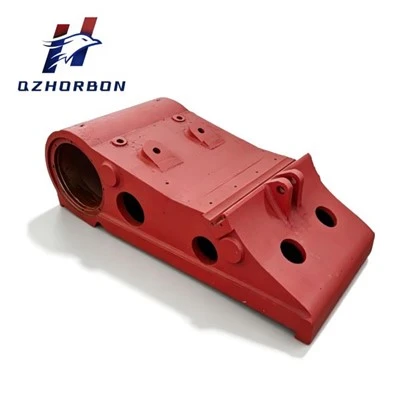
We strive to continuously improve the design and manufacturing process of crusher end frames to extend their lifespan, reduce wear and tear, and improve compatibility. At the same time, we also offer technical support and training services to help customers better maintain and operate this equipment.
Crusher Frame If you are facing challenges in choosing or using crusher end frames, or if you want to discuss potential solutions, I invite you to reach out to me. We can have in – depth discussions about your specific needs and develop customized strategies to minimize the impact of these disadvantages. Let’s work together to optimize your crushing operations and achieve better business results.
References
- Industrial Machinery Handbook: Covers general knowledge about crusher components and their operation.
- Journal of Mining and Metallurgy: Contains research on wear and tear of crusher parts.
- Proceedings of International Conferences on Industrial Equipment: Features papers on the latest trends in crusher end – frame technology and related issues.
Quzhou Horbon Mining Parts Co., Ltd.
Quzhou Horbon Mining Parts Co., Ltd. is one of the most professional crusher end frames manufacturers and suppliers in China, featured by high quality customized service and OEM service. Please rest assured to buy premium crusher end frames at competitive price from our factory. Contact us for pricelist.
Address: No.8 Nanshan Road, Qujiang District, Quzhou City, Zhejiang Province, China
E-mail: horbonmining@gmail.com
WebSite: https://www.horbonmachinery.com/
