How to adjust the stripping speed according to different materials?
As a provider of Inner Hole Stripping Machines, I’ve witnessed firsthand the critical role that adjusting the stripping speed plays in achieving optimal results for various materials. In this blog post, I’ll share my insights on how to fine-tune the stripping speed based on different materials, ensuring efficient and high-quality stripping processes. Inner Hole Stripping Machine

Understanding the Importance of Stripping Speed
The stripping speed of an Inner Hole Stripping Machine refers to the rate at which the machine removes the outer layer or coating from the inner hole of a workpiece. This speed is a crucial factor that can significantly impact the quality of the stripping process, the integrity of the workpiece, and the overall efficiency of the operation.
If the stripping speed is too high, it can lead to excessive force being applied to the workpiece, causing damage to the inner hole surface, such as scratching, chipping, or deformation. On the other hand, if the stripping speed is too low, the stripping process may be time-consuming and inefficient, resulting in increased production costs and reduced productivity.
Therefore, it is essential to adjust the stripping speed according to the specific characteristics of the material being stripped to achieve the best possible results.
Factors Affecting Stripping Speed
Before discussing how to adjust the stripping speed for different materials, it’s important to understand the factors that can influence this parameter. Some of the key factors include:
Material Hardness
The hardness of the material is one of the most significant factors affecting the stripping speed. Harder materials require more force to strip, and therefore, a slower stripping speed may be necessary to prevent damage to the workpiece. Softer materials, on the other hand, can typically be stripped at a faster speed.
Material Thickness
The thickness of the material also plays a role in determining the appropriate stripping speed. Thicker materials may require a slower speed to ensure that the stripping process is thorough and that the outer layer is completely removed. Thinner materials can often be stripped at a faster speed.
Coating or Layer Properties
The properties of the coating or outer layer being stripped, such as its adhesion strength, thickness, and composition, can also affect the stripping speed. Materials with a strong adhesion or thick coating may require a slower speed to achieve effective stripping.
Workpiece Geometry
The geometry of the workpiece, including the diameter and length of the inner hole, can impact the stripping speed. Smaller diameter holes may require a slower speed to ensure that the stripping tool can reach all areas of the hole. Longer holes may also require a slower speed to maintain consistent stripping quality.
Adjusting the Stripping Speed for Different Materials
Now that we understand the factors that affect stripping speed, let’s explore how to adjust it for different types of materials:
Metals
Metals are commonly stripped using Inner Hole Stripping Machines, and the stripping speed can vary depending on the type of metal.
Steel
Steel is a relatively hard material, and a slower stripping speed is generally recommended to prevent damage to the inner hole surface. A speed of around 10 – 20 millimeters per minute is often suitable for mild steel. However, for high – strength steels, an even slower speed of 5 – 10 millimeters per minute may be necessary.
Aluminum
Aluminum is a softer metal compared to steel. It can typically be stripped at a faster speed, usually in the range of 20 – 30 millimeters per minute. This faster speed allows for efficient stripping without causing excessive damage to the aluminum surface.
Copper
Copper is also a relatively soft metal. A stripping speed of 20 – 30 millimeters per minute is often appropriate for copper. However, if the copper has a thick oxide layer or a hard – to – remove coating, the speed may need to be adjusted accordingly.
Plastics
Plastics have different properties compared to metals, and the stripping speed for plastics needs to be carefully considered to avoid melting or deforming the material.
Polyethylene (PE)
PE is a common plastic material. Due to its relatively low melting point, a slow stripping speed of around 5 – 10 millimeters per minute is recommended. This slow speed helps to prevent the plastic from heating up and melting during the stripping process.
Polycarbonate (PC)
PC is a stronger and more heat – resistant plastic. A stripping speed of 10 – 15 millimeters per minute can be used for PC. However, it’s important to keep a close eye on the temperature during stripping to ensure that the material does not get overheated.
Composites
Composites, such as carbon fiber composites, are becoming increasingly popular in various industries. Stripping composites requires special attention to avoid damage to the fibers.
Carbon Fiber Composites
Carbon fiber composites are very strong but also brittle. A very slow stripping speed of 2 – 5 millimeters per minute is typically required to prevent fiber breakage. Additionally, the use of appropriate stripping tools and techniques is crucial to ensure the integrity of the composite material.
Practical Tips for Adjusting Stripping Speed
Here are some practical tips to help you adjust the stripping speed effectively:
Conduct a Test Run
Before starting a full – scale stripping operation, it’s advisable to conduct a test run on a sample workpiece. This allows you to observe the stripping process and make any necessary adjustments to the speed based on the results.
Monitor the Process
During the stripping process, closely monitor the workpiece and the stripping machine. Look for any signs of damage, such as scratches or deformation, and adjust the speed accordingly.
Use the Right Tools
Ensure that you are using the appropriate stripping tools for the material. Different materials may require different types of tools, and using the right tool can help you achieve better results at a more appropriate stripping speed.
Consider the Machine’s Capabilities
Be aware of the capabilities of your Inner Hole Stripping Machine. Some machines may have limitations on the maximum and minimum stripping speeds, and you need to work within these limits to ensure safe and effective operation.
Conclusion
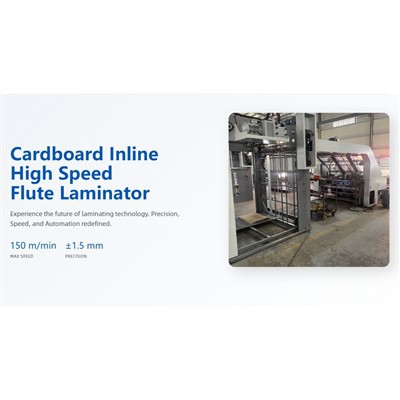
Adjusting the stripping speed according to different materials is a critical step in achieving high – quality stripping results using an Inner Hole Stripping Machine. By understanding the factors that affect stripping speed and following the guidelines for different materials, you can optimize the stripping process, improve productivity, and reduce the risk of workpiece damage.
Paper Sheeting Machine If you are in the market for an Inner Hole Stripping Machine or need further advice on adjusting the stripping speed for your specific materials, I encourage you to reach out. Our team of experts is ready to assist you in finding the best solutions for your stripping needs.
References
- "Machining Handbook", Industrial Press Inc.
- Material Science textbooks from leading publishers such as Wiley and Elsevier.
- Technical documentation provided by tool and machine manufacturers.
Sheng Ding Group Limited
We’re well-known as one of the leading inner hole stripping machine manufacturers and suppliers in China. With abundant experience, we warmly welcome you to buy advanced inner hole stripping machine for sale here from our factory. For quotation, contact us now.
Address: FLAT E 16/F SUPERLUCK IND CTR 57 SHA TSUI RD PHASE 2 TSUEN WAN NT
E-mail: chm007@szchm.com
WebSite: https://www.packagmachine.com/
