Hey there! I’m part of a team that supplies Turing Machines. Over the years, I’ve seen firsthand how these amazing devices have revolutionized the world of computing. So, I thought I’d share my thoughts on how we can contribute to the research on Turing Machines. Turning Machine
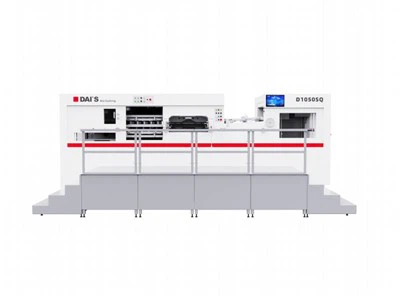
First off, let’s understand what Turing Machines are. Simply put, they’re theoretical models of computation that were proposed by the brilliant Alan Turing in 1936. These machines can simulate any algorithmic process, making them a fundamental concept in computer science. They consist of a tape divided into cells, a read – write head that can move along the tape, and a set of rules that determine how the machine behaves.
1. Providing High – Quality Turing Machines
As a supplier, one of the most obvious ways we can contribute is by providing high – quality Turing Machines. You see, for researchers to conduct accurate and in – depth studies, they need reliable equipment. Our machines are built with precision, using the latest technology and high – grade materials. We ensure that they can handle complex computations without glitches, which is crucial for long – term research projects.
For example, some of our models come with advanced features like adjustable tape lengths and customizable rule sets. This allows researchers to simulate a wide range of scenarios, from simple arithmetic operations to complex artificial intelligence algorithms. By offering these features, we’re giving researchers the tools they need to push the boundaries of what’s possible with Turing Machines.
2. Collaborating with Research Institutions
Another great way to contribute is by collaborating with research institutions. We often partner with universities and scientific organizations to support their Turing Machine research. We can provide them with our machines at a discounted rate or even donate them in some cases. This not only helps the researchers but also gives us valuable feedback on how our products can be improved.
We also participate in joint research projects. For instance, we might work with a team of computer scientists to develop new algorithms for Turing Machines. By combining our expertise in manufacturing with their knowledge of theoretical computer science, we can create innovative solutions that benefit the entire research community.
3. Offering Technical Support
Research on Turing Machines can be challenging, and researchers may run into technical issues along the way. That’s where our technical support team comes in. We offer 24/7 support to our customers, answering their questions and helping them troubleshoot any problems they encounter.
Whether it’s a hardware issue, like a malfunctioning read – write head, or a software problem, such as a bug in the rule – set programming, our team is there to assist. We also provide training sessions for researchers who are new to using Turing Machines. These sessions cover everything from basic operation to advanced programming techniques, ensuring that researchers can make the most of our products.
4. Sharing Research Findings
We believe in the power of sharing knowledge. That’s why we encourage our customers to share their research findings with us. We compile these findings into reports and share them with the wider research community. This helps to spread awareness about the latest advancements in Turing Machine research and promotes collaboration among researchers.
In addition, we also publish our own research findings. Our R & D team is constantly working on improving our Turing Machines and exploring new applications. By sharing these findings, we’re not only contributing to the academic literature but also inspiring other researchers to take on new challenges.
5. Promoting Turing Machine Education
Education is key to the future of Turing Machine research. We can contribute by promoting Turing Machine education at all levels. We offer educational packages to schools and colleges, which include our Turing Machines, teaching materials, and lesson plans. These packages are designed to introduce students to the concept of Turing Machines in a fun and engaging way.
We also sponsor workshops and seminars on Turing Machine research. These events bring together researchers, students, and industry professionals to share ideas and learn from each other. By promoting education, we’re creating a new generation of researchers who are passionate about Turing Machines and are ready to make significant contributions to the field.
6. Participating in Conferences and Events
Conferences and events are great platforms for networking and sharing ideas. We actively participate in Turing Machine – related conferences around the world. At these events, we showcase our latest products and technologies, and we also present our research findings.
This not only helps us to stay up – to – date with the latest trends in the field but also gives us an opportunity to connect with other researchers and potential customers. We can learn from their experiences and get feedback on our products, which helps us to improve and innovate.
7. Investing in Research and Development
As a supplier, we understand the importance of continuous innovation. That’s why we invest a significant amount of our resources in research and development. Our R & D team is constantly exploring new technologies and materials that can be used to improve the performance and functionality of our Turing Machines.
For example, we’re currently working on developing a new type of tape material that can store more data and is more durable. We’re also exploring the use of artificial intelligence to optimize the operation of our machines. By investing in R & D, we’re not only improving our products but also contributing to the overall advancement of Turing Machine research.
8. Encouraging User – Generated Content
We encourage our customers to create user – generated content related to Turing Machines. This could include videos, blog posts, or research papers. By sharing their experiences and insights, they’re not only helping other researchers but also building a community around Turing Machine research.
We feature some of this user – generated content on our website and social media channels. This not only gives our customers a platform to showcase their work but also helps to promote the field of Turing Machine research to a wider audience.

In conclusion, there are many ways we can contribute to the research on Turing Machines. As a supplier, we have a unique position to support the research community by providing high – quality products, collaborating with institutions, offering technical support, and promoting education. If you’re a researcher or an organization interested in Turing Machine research, we’d love to hear from you. We can provide you with the tools and support you need to conduct your research effectively. Whether you’re looking to purchase a Turing Machine or collaborate on a research project, don’t hesitate to reach out. Let’s work together to push the boundaries of what’s possible with Turing Machines!
Automatic Feeder Die Cutter References
- Turing, A. M. (1936). On computable numbers, with an application to the Entscheidungsproblem. Proceedings of the London Mathematical Society, s2 – 42(1), 230 – 265.
- Hopcroft, J. E., Motwani, R., & Ullman, J. D. (2006). Introduction to automata theory, languages, and computation. Addison – Wesley.
Zhejiang Dai’s Printing Machine Co., Ltd.
Zhejiang Dai’s Printing Machine Co., Ltd. is one of the most experienced turning machine manufacturers and suppliers in China, also supports customized service. Please rest assured to buy bulk durable turning machine at low price from our factory. For pricelist, contact us now.
Address: No. 797, Nanming Road, Shuige Industrial Park, Liandu District, Lishui City, Zhejiang Province, P.R. China
E-mail: 3376094828@qq.com
WebSite: https://www.dais-machine.com/
