How does the air circulation rate affect the UPS’s operation in the enclosure?
As a supplier of UPS Power Enclosures, I’ve witnessed firsthand the critical role that air circulation plays in the reliable operation of Uninterruptible Power Supply (UPS) systems. The air circulation rate within the enclosure is a factor that can significantly impact the performance, efficiency, and lifespan of a UPS. In this blog, I will explore in detail how air circulation rate affects the UPS’s operation and why it is so important for us to pay close attention to this aspect when designing and using UPS enclosures. UPS Power Enclosures

1. The Importance of Temperature Control in UPS Operation
UPS systems generate heat during their normal operation. The electrical components inside the UPS, such as batteries, inverters, and rectifiers, dissipate heat as they convert and regulate electrical power. If this heat is not properly removed, it can lead to a rise in temperature within the enclosure.
High temperatures are detrimental to the UPS’s performance and longevity. For example, batteries are one of the most temperature – sensitive components in a UPS. Most battery chemistries, like lead – acid batteries commonly used in UPS systems, have an optimal operating temperature range. When the temperature rises above this range, the chemical reactions inside the battery speed up, which can lead to increased self – discharge and a shorter battery lifespan. In extreme cases, overheating can even cause thermal runaway, a dangerous situation where the battery temperature rises out of control and can lead to battery failure or even fire.
Moreover, high temperatures can also affect the efficiency of the electronic components in the UPS. As the temperature increases, the resistance of the electrical conductors increases, which leads to more power loss in the form of heat. This not only reduces the overall efficiency of the UPS but also puts additional stress on the components, increasing the likelihood of component failure.
2. How Air Circulation Affects Temperature Regulation
Air circulation is the key to maintaining an optimal temperature within the UPS enclosure. A proper air circulation rate ensures that the heat generated by the UPS components is effectively removed from the enclosure.
When there is adequate air flow, cool air is drawn into the enclosure. This cool air absorbs the heat from the hot components and then exits the enclosure. The continuous flow of air creates a cooling effect, similar to how a breeze cools our bodies on a hot day.
The air circulation rate is typically measured in cubic feet per minute (CFM). A higher CFM means that more air is flowing through the enclosure per unit of time, which generally leads to better heat removal. However, it’s important to note that simply increasing the CFM is not always the best solution. The air flow needs to be properly directed to ensure that it reaches all the hot components in the enclosure. For example, if the air intake and exhaust vents are not properly positioned, some areas of the enclosure may experience poor air circulation, leading to hot spots.
3. Impact of Low Air Circulation Rate on UPS Operation
A low air circulation rate can have several negative impacts on the UPS’s operation.
3.1. Overheating and Component Failure
As mentioned earlier, insufficient air circulation can cause the temperature inside the enclosure to rise. This overheating can lead to premature failure of the UPS components. For instance, the semiconductor devices in the inverter and rectifier circuits are very sensitive to temperature. High temperatures can cause the breakdown of the semiconductor materials, leading to short circuits or other malfunctions.
3.2. Reduced Battery Life
Batteries are particularly vulnerable to high temperatures caused by low air circulation. As the temperature rises, the rate of battery degradation increases. This means that the battery will lose its capacity to store and deliver power more quickly, resulting in a shorter battery replacement cycle. This not only increases the operating cost of the UPS but also poses a risk of power outage in case of a mains failure if the battery fails to provide sufficient backup power.
3.3. Decreased Efficiency
When the temperature inside the enclosure is high due to low air circulation, the UPS has to work harder to maintain its output power. This increased workload leads to more power loss in the form of heat, reducing the overall efficiency of the UPS. As a result, more energy is wasted, and the cost of operating the UPS increases.
4. Impact of High Air Circulation Rate on UPS Operation
While a low air circulation rate is problematic, an excessively high air circulation rate also has its drawbacks.
4.1. Dust and Debris Ingress
A high – speed air flow can carry more dust and debris into the enclosure. Dust can accumulate on the UPS components, which can act as an insulator and prevent proper heat dissipation. In addition, dust can also cause short circuits if it settles on the electrical contacts or circuit boards. This can lead to component failure and system downtime.
4.2. Noise Generation
High – velocity air flow through the enclosure can generate significant noise. This can be a problem in environments where noise levels need to be kept low, such as in offices or data centers. The noise can be a nuisance to the personnel working in the vicinity and may even violate noise regulations in some areas.
4.3. Energy Consumption
Operating a fan or other air – moving devices at a high speed to achieve a high air circulation rate requires more energy. This increases the overall energy consumption of the UPS system, which not only adds to the operating cost but also goes against the goal of energy efficiency.
5. Achieving the Optimal Air Circulation Rate
To ensure the reliable and efficient operation of the UPS, it is essential to achieve the optimal air circulation rate. This involves a combination of proper enclosure design, fan selection, and maintenance.
5.1. Enclosure Design
The design of the UPS enclosure plays a crucial role in air circulation. The enclosure should have well – placed air intake and exhaust vents. These vents should be designed to allow for a smooth and uniform air flow through the enclosure. For example, the intake vents should be located at the bottom of the enclosure to draw in cool air, while the exhaust vents should be at the top to allow the hot air to escape easily due to the natural convection effect.
5.2. Fan Selection
The fans used in the UPS enclosure should be carefully selected based on the size of the enclosure and the heat dissipation requirements of the UPS. The fan capacity should be sufficient to provide the required air circulation rate while minimizing noise and energy consumption. Additionally, the fans should be reliable and have a long service life to ensure continuous and efficient operation.
5.3. Maintenance
Regular maintenance is also important to maintain the optimal air circulation rate. This includes cleaning the air vents to remove dust and debris, checking the fan operation, and ensuring that there are no obstructions in the air flow path. By performing these maintenance tasks, we can ensure that the air circulation within the enclosure remains effective over time.
6. Conclusion
In conclusion, the air circulation rate within the UPS enclosure has a profound impact on the UPS’s operation. Both low and high air circulation rates can cause problems, such as overheating, component failure, reduced battery life, decreased efficiency, dust ingress, noise generation, and increased energy consumption. To ensure the reliable and efficient operation of the UPS, it is essential to achieve the optimal air circulation rate through proper enclosure design, fan selection, and maintenance.
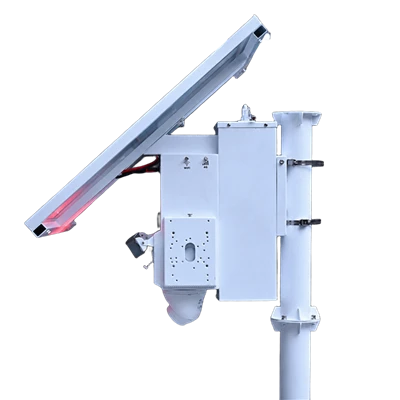
As a UPS Power Enclosures supplier, we are committed to providing our customers with enclosures that are designed to optimize air circulation and ensure the best performance of their UPS systems. If you are in the market for a high – quality UPS Power Enclosure or have any questions about how air circulation affects your UPS operation, we encourage you to contact us for a detailed discussion. Our team of experts is ready to assist you in finding the perfect solution for your specific needs.
Warning Systems References
- "Thermal Management in Data Centers and Its Impact on UPS Systems." International Journal of Electrical Power Distribution.
- "The Effect of Temperature on Battery Performance and Lifespan." Battery Technology Review.
- "Optimal Airflow Design for Electronic Enclosures." Journal of Electronic Cooling and Thermal Control.
Shenzhen Gago Electronics Co., Ltd.
Shenzhen Gago Electronics Co., Ltd. is one of the most professional UPS power enclosures manufacturers and suppliers in China. As we have world-leading production equipment and strong manufacturing capabilities, we warmly welcome you to buy high quality UPS power enclosures at competitive price from our factory.
Address: C201,Building B, No.170 Xingfa Road,Shangcun Community, Gongming Street, Guangming District, Shenzhen, China
E-mail: info@gagoelectronics.com
WebSite: https://www.gagodeterrence.com/
