As a supplier of wooden acoustic panels, I often get asked about the sound reflection coefficient of our products. Understanding this concept is crucial for anyone involved in acoustic design, whether it’s for a recording studio, a concert hall, or even a home theater. In this blog post, I’ll explain what the sound reflection coefficient is, how it relates to wooden acoustic panels, and why it matters in your acoustic projects. Wooden Acoustic Panels
What is the Sound Reflection Coefficient?
The sound reflection coefficient, often denoted as "R," is a measure of how much sound is reflected off a surface compared to the amount of sound that hits it. It is expressed as a value between 0 and 1, where 0 means all the sound is absorbed by the surface, and 1 means all the sound is reflected. For example, a perfectly absorbent material like a high – quality acoustic foam would have an R value close to 0, while a hard, smooth surface like a glass wall would have an R value close to 1.
The sound reflection coefficient is affected by several factors, including the material of the surface, its texture, and the frequency of the sound. Different materials have different abilities to absorb or reflect sound. Materials with porous structures tend to absorb more sound, as the sound waves can penetrate the pores and lose energy through friction. On the other hand, dense and smooth materials reflect more sound because the sound waves bounce off the surface without much absorption.
Sound Reflection Coefficient of Wooden Acoustic Panels
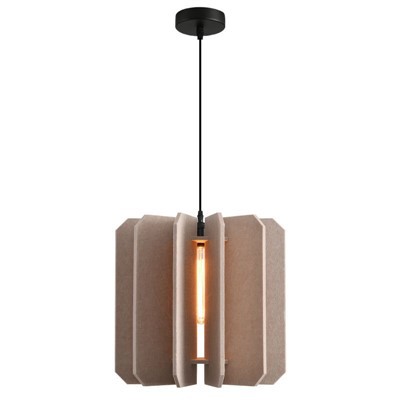
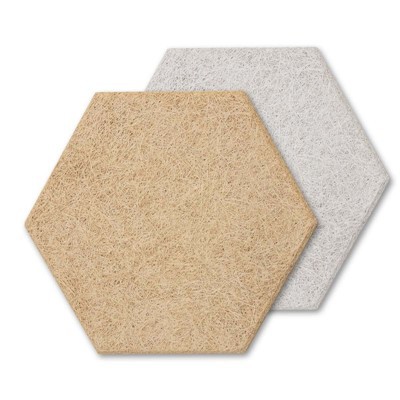
Wooden acoustic panels are a popular choice in acoustic design due to their natural aesthetic appeal and good acoustic properties. The sound reflection coefficient of wooden acoustic panels can vary depending on several factors.
Type of Wood
Different types of wood have different densities and porosities, which affect their sound absorption and reflection properties. For example, softwoods like pine are generally less dense than hardwoods like oak. Softwoods tend to have a higher sound absorption coefficient, meaning they reflect less sound. This is because the cells in softwood are more open and porous, allowing sound waves to penetrate and dissipate energy. Hardwoods, on the other hand, are denser and may reflect more sound, but they can still be treated to improve their acoustic performance.
Panel Design and Construction
The design and construction of the wooden acoustic panels also play a significant role in determining the sound reflection coefficient. Panels with perforations or slats can increase the sound absorption. The perforations or slats allow sound waves to enter the panel and interact with the inner structure, where they are absorbed. Additionally, the thickness of the panel can affect its acoustic properties. Thicker panels generally have better sound absorption capabilities, as they provide more material for the sound waves to interact with.
Backing and Installation
The backing material behind the wooden acoustic panels and the way they are installed can also influence the sound reflection coefficient. A porous backing material, such as fiberglass insulation, can enhance the sound absorption of the panels. When the panels are installed, the gap between the panel and the wall can also affect the acoustic performance. A proper air gap can act as a resonator, increasing the absorption of certain frequencies.
Measuring the Sound Reflection Coefficient
There are several methods to measure the sound reflection coefficient of wooden acoustic panels. One common method is the reverberation time measurement. In a reverberation chamber, a sound source is used to generate a short burst of sound, and the time it takes for the sound to decay by 60 decibels (dB) is measured. By comparing the reverberation time with and without the panels installed, the sound absorption coefficient can be calculated, and from that, the sound reflection coefficient can be derived (since R = 1 – absorption coefficient).
Another method is the impedance tube method. In this method, a small sample of the panel is placed in an impedance tube, and a sound wave is sent through the tube. By measuring the incident and reflected sound waves, the sound reflection coefficient can be directly determined.
Why the Sound Reflection Coefficient Matters
The sound reflection coefficient is a critical parameter in acoustic design. In a room with high sound reflection, sound waves bounce off the walls, ceiling, and floor multiple times, creating echoes and reverberation. This can be a problem in spaces where clear speech or accurate sound reproduction is required, such as conference rooms, theaters, and recording studios.
By using wooden acoustic panels with an appropriate sound reflection coefficient, you can control the amount of reverberation in a room. For example, in a recording studio, you want to minimize sound reflection to ensure that the recorded sound is clean and free of echoes. In a concert hall, you may want to balance the sound reflection to create a rich and immersive acoustic experience.
Our Wooden Acoustic Panels and Their Sound Reflection Coefficient
At our company, we offer a wide range of wooden acoustic panels with different sound reflection coefficients to meet the needs of various acoustic projects. Our panels are made from high – quality woods, and we use advanced manufacturing techniques to ensure optimal acoustic performance.
We have conducted extensive testing on our panels using both reverberation time measurement and impedance tube methods. Our test results show that our panels can achieve sound reflection coefficients ranging from 0.2 to 0.8, depending on the type of wood, panel design, and installation method.
For projects where high sound absorption is required, such as recording studios and home theaters, we recommend our perforated wooden acoustic panels. These panels have a low sound reflection coefficient, typically around 0.2 – 0.3, which means they can effectively absorb sound and reduce reverberation.
For spaces where a certain amount of sound reflection is desired, such as concert halls and auditoriums, our solid wooden panels with a smooth finish are a good choice. These panels have a higher sound reflection coefficient, around 0.6 – 0.8, which can help create a more lively and resonant acoustic environment.
Conclusion
The sound reflection coefficient of wooden acoustic panels is an important factor to consider in acoustic design. It is influenced by the type of wood, panel design, backing material, and installation method. By understanding the sound reflection coefficient and choosing the right wooden acoustic panels for your project, you can achieve the desired acoustic效果 (oops, I mean "effect").
Sound-absorbing Materials If you are working on an acoustic project and need high – quality wooden acoustic panels, we are here to help. Our team of experts can provide you with detailed information about the sound reflection coefficient of our panels and assist you in selecting the best panels for your specific needs. Contact us to start a discussion about your project and explore how our wooden acoustic panels can enhance the acoustic performance of your space.
References
- Beranek, Leo L. "Acoustics." American Institute of Physics, 1954.
- Kuttruff, Heinrich. "Room Acoustics." Spon Press, 2009.
- Sabine, Wallace Clement. "Collected Papers on Acoustics." Harvard University Press, 1922.
Guangzhou MQ Acoustic Materials Co., Ltd.
Guangzhou MQ Acoustic Materials Co., Ltd. is one of the most professional wooden acoustic panels manufacturers and suppliers in China, featured by quality products and low price. Welcome to buy CE approved wooden acoustic panels in stock here and get quotation from our factory. We also accept customized orders.
Address: Room D403, KeZhu Business Building, ZhuJi Road, TianHe District, GuangZhou, China
E-mail: Lizzy@mq-acoustics.com
WebSite: https://www.acoustic-projects.com/
