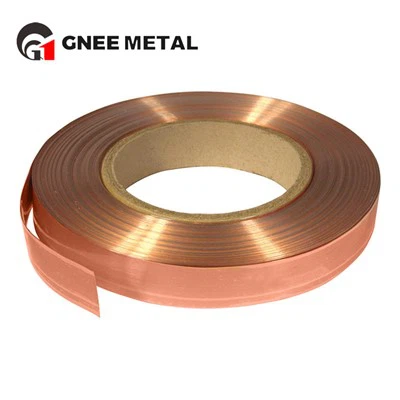
As a supplier of copper bars, I’ve witnessed firsthand the importance of surface treatments in enhancing the performance and longevity of our products. Copper bars are widely used in various industries, from electrical engineering to construction, and the right surface treatment can significantly improve their functionality and aesthetic appeal. In this blog post, I’ll explore the different surface treatments available for copper bars and their benefits. Copper Bar
Oxide Coating
One of the most common surface treatments for copper bars is the application of an oxide coating. Oxidation is a natural process that occurs when copper is exposed to air and moisture. However, by applying a controlled oxide coating, we can enhance the copper bar’s resistance to corrosion and improve its electrical conductivity.
The oxide coating process involves immersing the copper bars in a chemical solution that promotes oxidation. This solution typically contains chemicals such as sulfuric acid or nitric acid, which react with the copper to form a thin layer of copper oxide on the surface. The thickness and color of the oxide coating can be controlled by adjusting the concentration of the chemical solution and the immersion time.
The benefits of an oxide coating include increased corrosion resistance, improved electrical conductivity, and enhanced aesthetic appeal. The oxide coating acts as a protective barrier, preventing the copper from coming into contact with moisture and other corrosive substances. This helps to extend the lifespan of the copper bars and reduce the need for maintenance. Additionally, the oxide coating can improve the electrical conductivity of the copper bars, making them more efficient in electrical applications.
Tin Plating
Tin plating is another popular surface treatment for copper bars. Tin is a soft, malleable metal that has excellent corrosion resistance and solderability. By applying a thin layer of tin to the surface of the copper bars, we can enhance their corrosion resistance and improve their solderability.
The tin plating process involves immersing the copper bars in a tin plating solution that contains tin salts and other chemicals. The solution is typically heated to a specific temperature, and an electric current is applied to the copper bars to deposit a thin layer of tin on the surface. The thickness of the tin plating can be controlled by adjusting the plating time and the current density.
The benefits of tin plating include increased corrosion resistance, improved solderability, and enhanced aesthetic appeal. The tin plating acts as a protective barrier, preventing the copper from coming into contact with moisture and other corrosive substances. This helps to extend the lifespan of the copper bars and reduce the need for maintenance. Additionally, the tin plating can improve the solderability of the copper bars, making them easier to connect to other components in electrical applications.
Nickel Plating
Nickel plating is a surface treatment that involves applying a thin layer of nickel to the surface of the copper bars. Nickel is a hard, durable metal that has excellent corrosion resistance and wear resistance. By applying a thin layer of nickel to the surface of the copper bars, we can enhance their corrosion resistance and improve their wear resistance.
The nickel plating process involves immersing the copper bars in a nickel plating solution that contains nickel salts and other chemicals. The solution is typically heated to a specific temperature, and an electric current is applied to the copper bars to deposit a thin layer of nickel on the surface. The thickness of the nickel plating can be controlled by adjusting the plating time and the current density.
The benefits of nickel plating include increased corrosion resistance, improved wear resistance, and enhanced aesthetic appeal. The nickel plating acts as a protective barrier, preventing the copper from coming into contact with moisture and other corrosive substances. This helps to extend the lifespan of the copper bars and reduce the need for maintenance. Additionally, the nickel plating can improve the wear resistance of the copper bars, making them more suitable for applications where they are subject to friction and abrasion.
Passivation
Passivation is a surface treatment that involves treating the copper bars with a chemical solution to remove any surface contaminants and form a thin, protective oxide layer on the surface. The passivation process helps to improve the corrosion resistance of the copper bars and prevent the formation of rust and other corrosion products.
The passivation process typically involves immersing the copper bars in a passivation solution that contains chemicals such as nitric acid or citric acid. The solution is typically heated to a specific temperature, and the copper bars are immersed in the solution for a specific period of time. After the passivation process, the copper bars are rinsed with water to remove any residual chemicals.
The benefits of passivation include increased corrosion resistance, improved aesthetic appeal, and reduced maintenance requirements. The passivation process helps to remove any surface contaminants and form a thin, protective oxide layer on the surface of the copper bars. This helps to prevent the formation of rust and other corrosion products, extending the lifespan of the copper bars and reducing the need for maintenance. Additionally, the passivation process can improve the aesthetic appeal of the copper bars, making them more attractive in applications where appearance is important.
Conclusion

In conclusion, there are several surface treatments available for copper bars, each with its own benefits and applications. Oxide coating, tin plating, nickel plating, and passivation are all effective ways to enhance the performance and longevity of copper bars. By choosing the right surface treatment for your specific application, you can ensure that your copper bars have the best possible performance and durability.
Copper Bar If you’re interested in learning more about our copper bars and the surface treatments we offer, please don’t hesitate to contact us. Our team of experts is available to answer any questions you may have and help you choose the right copper bars and surface treatments for your needs. We look forward to hearing from you and working with you to meet your copper bar requirements.
References
- ASM Handbook, Volume 5: Surface Engineering, ASM International, 2004.
- Corrosion of Metals, Third Edition, L. L. Shreir, R. A. Jarman, and G. T. Burstein, eds., Butterworth-Heinemann, 2010.
- Electroplating Engineering Handbook, Fourth Edition, Clyde N. Durney, ed., McGraw-Hill, 2001.
Gnee Steel (Tianjin) Co., Ltd.
Gnee Steel (Tianjin) Co., Ltd. is one of the leading copper bar manufacturers and suppliers in China. We warmly welcome you to buy discount copper bar for sale here from our factory. All our products are with high quality and competitive price. Contact us for more cheap products.
Address: No.4-1114, Beichen Building, Beicang Town, Beichen District, Tianjin, China
E-mail: sales@gneemetal.com
WebSite: https://www.chinacopperalloys.com/
