As a supplier of polyester fiber panels, I often receive inquiries about the density of these panels. Density is a crucial property that significantly impacts the performance and applications of polyester fiber panels. In this blog, I’ll delve into what the density of polyester fiber panels means, how it affects their characteristics, and why it matters for different uses. Polyester Fiber Panels

Understanding Density in Polyester Fiber Panels
Density, in the context of polyester fiber panels, refers to the mass of the panel per unit volume. It is typically measured in kilograms per cubic meter (kg/m³). The density of polyester fiber panels can vary widely, usually ranging from around 10 kg/m³ to 100 kg/m³, depending on the manufacturing process and intended application.
The density of these panels is determined during the production process. Polyester fibers are first formed into a web-like structure. Then, through processes such as thermal bonding or needling, the fibers are compressed to a certain degree. The more the fibers are compressed, the higher the density of the resulting panel.
How Density Affects the Properties of Polyester Fiber Panels
Acoustic Performance
One of the most important aspects affected by density is the acoustic performance of the panels. Generally, higher – density polyester fiber panels offer better sound absorption. This is because the denser the panel, the more fibers there are to interact with sound waves. When sound waves enter the panel, they cause the fibers to vibrate, and this vibration converts the sound energy into heat energy, effectively reducing the sound level.
For example, in a recording studio where high – quality sound isolation is required, panels with a relatively high density (around 60 – 100 kg/m³) are often used. These panels can absorb a wide range of frequencies, from low – frequency bass to high – frequency treble, creating a quiet and acoustically balanced environment. On the other hand, in a less demanding environment like a home office, lower – density panels (around 10 – 30 kg/m³) may be sufficient to reduce background noise.
Thermal Insulation
Density also plays a role in the thermal insulation properties of polyester fiber panels. Higher – density panels tend to have better thermal insulation capabilities. The closely packed fibers in high – density panels create a barrier that reduces the transfer of heat. This is because the air trapped within the fiber structure acts as an insulator.
In building applications, such as wall and roof insulation, higher – density polyester fiber panels can help maintain a stable indoor temperature, reducing the need for excessive heating or cooling. For instance, in cold climates, using panels with a density of 40 – 80 kg/m³ can significantly improve the energy efficiency of a building.
Mechanical Strength
The density of polyester fiber panels is directly related to their mechanical strength. Higher – density panels are generally more robust and can withstand greater pressure and impact. This makes them suitable for applications where the panels need to endure physical stress.
For example, in automotive interiors, high – density polyester fiber panels are used for door panels and seat backs. These panels need to be strong enough to resist the normal wear and tear associated with daily use. In contrast, lower – density panels are more flexible and lightweight, which may be preferred in applications where weight is a critical factor, such as in some aerospace components.
Applications Based on Density
Low – Density Panels (10 – 30 kg/m³)
Low – density polyester fiber panels are often used in applications where lightweight and flexibility are key. They are commonly found in packaging materials, where they provide cushioning and protection for delicate items. Their soft and flexible nature also makes them suitable for use in some textile applications, such as lining for clothing or bedding.
In addition, low – density panels can be used for basic acoustic treatment in small spaces. For example, they can be installed on the walls of a small home theater to reduce echo and improve the sound quality.
Medium – Density Panels (30 – 60 kg/m³)
Medium – density panels strike a balance between acoustic performance, thermal insulation, and mechanical strength. They are widely used in building construction for interior wall insulation and acoustic partitions. These panels can effectively reduce noise transmission between rooms and help maintain a comfortable indoor temperature.
In the furniture industry, medium – density polyester fiber panels are used for upholstery padding. They provide a good combination of comfort and durability, making the furniture more comfortable to sit or lie on.
High – Density Panels (60 – 100 kg/m³)
High – density polyester fiber panels are designed for applications that require high – performance acoustic and thermal insulation, as well as strong mechanical properties. They are commonly used in commercial buildings, such as concert halls, auditoriums, and office buildings. In these settings, the panels can effectively control sound and temperature, creating a more pleasant and productive environment.
In the automotive industry, high – density panels are used for soundproofing and insulation in the engine compartment and cabin. They help reduce engine noise and heat transfer, improving the overall driving experience.
Choosing the Right Density for Your Needs
When selecting polyester fiber panels, it’s essential to consider your specific requirements. If you’re looking for basic acoustic treatment in a small space, low – density panels may be sufficient. However, if you need high – performance insulation and soundproofing in a large commercial building, high – density panels are a better choice.
It’s also important to consider the cost. Generally, higher – density panels are more expensive due to the additional materials and processing required. Therefore, you need to balance your performance requirements with your budget.
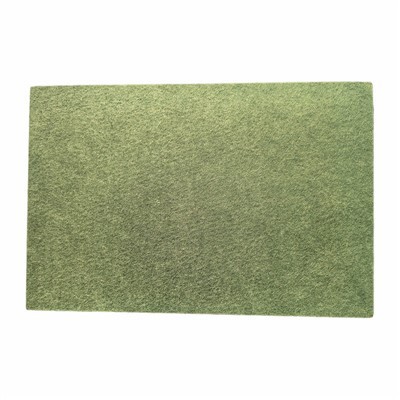
As a supplier of polyester fiber panels, I’m here to help you make the right choice. Our company offers a wide range of polyester fiber panels with different densities to meet various needs. Whether you’re a builder, an interior designer, or an automotive manufacturer, we can provide you with the best – suited panels for your project.
Felt Acoustic Panel If you’re interested in purchasing polyester fiber panels or have any questions about their density and applications, please feel free to contact us. We’re committed to providing high – quality products and excellent customer service. Let’s work together to find the perfect solution for your project.
References
- ASTM International. "Standard Test Methods for Determining Density of Rigid Cellular Plastics." ASTM D1622 – 14.
- ISO 9001:2015. "Quality management systems — Requirements."
- ASHRAE Handbook. "Fundamentals." American Society of Heating, Refrigerating and Air – Conditioning Engineers.
Suzhou Trano New Material Technology Co., Ltd.
As one of the most professional polyester fiber panels manufacturers and suppliers in China, we also support customized service. Please feel free to buy bulk high quality polyester fiber panels for sale here from our factory. For price consultation, contact us.
Address: SuZhou
E-mail: sophia@trano-tech.com
WebSite: https://www.tranofelt.com/
