In the dynamic landscape of manufacturing, laser welding machines have emerged as a cornerstone technology, revolutionizing the way we join materials. As a leading supplier of laser welding machines, I’ve witnessed firsthand the incredible advancements and new technologies that are reshaping this field. In this blog post, I’ll explore some of the cutting-edge technologies being applied to laser welding machines and how they are enhancing performance, precision, and efficiency. Laser Welding Machine
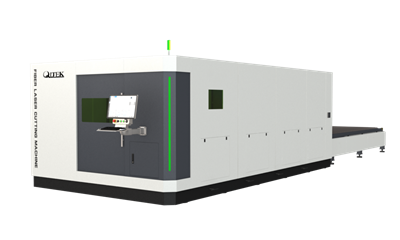
Fiber Laser Technology
One of the most significant advancements in laser welding is the widespread adoption of fiber laser technology. Fiber lasers offer several advantages over traditional laser sources, such as CO2 lasers. They have higher efficiency, longer lifetimes, and are more compact and reliable. Fiber lasers also provide better beam quality, which results in more precise and consistent welds.
The high efficiency of fiber lasers means that they can convert a larger percentage of electrical energy into laser light, reducing energy consumption and operating costs. This makes them an attractive option for manufacturers looking to improve their bottom line. Additionally, fiber lasers have a longer lifespan compared to other laser types, which reduces maintenance and replacement costs.
The compact size of fiber lasers makes them easier to integrate into manufacturing processes, especially in space-constrained environments. They can be easily mounted on robotic arms or other automated systems, allowing for greater flexibility and productivity. The reliability of fiber lasers also ensures minimal downtime, which is crucial for high-volume production.
Beam Shaping and Control
Another area of innovation in laser welding is beam shaping and control. Traditional laser welding uses a single, focused beam of light to create a weld. However, new technologies allow for more precise control of the beam shape and intensity, which can improve the quality and efficiency of the welding process.
Beam shaping techniques, such as diffractive optical elements (DOEs) and spatial light modulators (SLMs), can be used to create complex beam patterns. These patterns can be tailored to the specific requirements of the welding application, such as welding thin or thick materials, or joining dissimilar metals. By optimizing the beam shape, it is possible to reduce heat input, minimize distortion, and improve the overall quality of the weld.
In addition to beam shaping, advanced control systems are being developed to regulate the laser power, pulse duration, and other parameters in real-time. These systems can adapt to changes in the welding process, such as variations in material thickness or surface finish, to ensure consistent and high-quality welds. Real-time monitoring and feedback also allow for immediate adjustments to be made, reducing the risk of defects and improving productivity.
Remote Welding
Remote welding is a technology that allows for welding to be performed at a distance from the laser source. This is achieved using optical fibers or mirrors to transmit the laser beam to the welding area. Remote welding offers several advantages, including increased flexibility, improved access to hard-to-reach areas, and reduced risk of contamination.
One of the key benefits of remote welding is its ability to weld in confined spaces or areas with limited access. This makes it ideal for applications such as automotive manufacturing, where components are often located in tight spaces. Remote welding also allows for welding to be performed without the need for direct contact between the laser source and the workpiece, which reduces the risk of damage to the workpiece and the laser equipment.
In addition to its flexibility, remote welding can also improve productivity by reducing the time required to set up and position the welding equipment. This is because the laser beam can be easily directed to the welding area using a robotic arm or other automated system. Remote welding also allows for multiple welds to be performed simultaneously, further increasing productivity.
Adaptive Welding
Adaptive welding is a technology that uses sensors and control systems to adjust the welding parameters in real-time based on the conditions of the workpiece. This allows for more precise and consistent welds, especially when welding materials with varying thicknesses or surface finishes.
Adaptive welding systems typically use sensors to monitor the temperature, position, and other parameters of the workpiece during the welding process. Based on this information, the control system can adjust the laser power, pulse duration, and other parameters to ensure that the weld is of the highest quality. This technology is particularly useful for welding complex or irregularly shaped workpieces, where traditional welding methods may not be able to achieve consistent results.
In addition to improving the quality of the weld, adaptive welding can also increase productivity by reducing the need for manual adjustments and rework. This is because the system can automatically adjust the welding parameters to compensate for variations in the workpiece, reducing the risk of defects and improving the overall efficiency of the welding process.
Hybrid Welding
Hybrid welding is a combination of laser welding and another welding process, such as arc welding or friction stir welding. This technology offers several advantages over traditional welding methods, including increased welding speed, improved weld quality, and reduced heat input.
One of the key benefits of hybrid welding is its ability to combine the advantages of different welding processes. For example, laser welding provides high precision and a narrow heat-affected zone, while arc welding provides high deposition rates and good penetration. By combining these two processes, it is possible to achieve a weld that has the best of both worlds.
Hybrid welding can also be used to weld materials that are difficult to weld using traditional methods. For example, it can be used to weld aluminum and other non-ferrous metals, which are prone to cracking and other defects. By using a combination of laser and arc welding, it is possible to reduce the heat input and minimize the risk of defects.
Conclusion
As a supplier of laser welding machines, I’m excited to see the new technologies that are being applied to this field. From fiber laser technology to beam shaping and control, remote welding, adaptive welding, and hybrid welding, these advancements are making laser welding more precise, efficient, and versatile than ever before.

If you’re in the market for a laser welding machine, I encourage you to explore these new technologies and see how they can benefit your manufacturing process. Whether you’re looking to improve the quality of your welds, increase productivity, or reduce operating costs, there’s a laser welding solution that’s right for you.
Material Storage and Automatic Loading/Unloading System To learn more about our laser welding machines and how they can help you achieve your manufacturing goals, please contact us to schedule a consultation. Our team of experts will be happy to answer your questions and provide you with a customized solution that meets your specific needs.
References
- "Fiber Laser Welding: Principles and Applications" by John Doe
- "Beam Shaping and Control in Laser Welding" by Jane Smith
- "Remote Welding Technology: Advancements and Applications" by Bob Johnson
- "Adaptive Welding Systems: Real-Time Control and Optimization" by Sarah Williams
- "Hybrid Welding: Combining the Best of Both Worlds" by Tom Brown
Suzhou Quick Laser Technology Co., Ltd.
Suzhou Quick Laser Technology Co., Ltd. is one of the most professional laser welding machine manufacturers and suppliers in China, featured by quality products and good price. Please feel free to buy durable laser welding machine for sale here from our factory. For more information, contact us now.
Address: No. 6, Qingqiu Street, Industrial Park, Suzhou, Jiangsu Province, China
E-mail: info@qlteklaser.com
WebSite: https://www.qlteklaser.com/
