How to Measure the Concentration of a Soaping Agent Solution
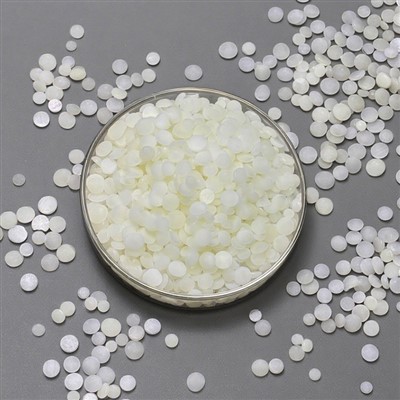
As a soaping agent supplier, I’ve been in the industry long enough to understand the critical role that accurate concentration measurement plays in the success of various processes, from textile dyeing to industrial cleaning. In this blog post, I’ll share some effective methods to measure the concentration of a soaping agent solution, ensuring you get the most out of our products. Soaping Agent
Why Measuring Concentration is Important
Before diving into the measurement methods, let’s understand why it’s crucial to measure the concentration of a soaping agent solution. In textile dyeing, for example, the right concentration of soaping agent can significantly improve color fastness, remove surface dyes, and prevent color bleeding. In industrial cleaning, an appropriate concentration ensures effective removal of dirt, grease, and other contaminants. Using too little soaping agent may not achieve the desired results, while using too much can lead to waste, increased costs, and potential environmental issues.
Methods for Measuring Concentration
1. Gravimetric Method
The gravimetric method is a classic and highly accurate way to measure the concentration of a soaping agent solution. Here’s how it works:
- Step 1: Prepare the sample
- Take a known volume of the soaping agent solution. This volume should be carefully measured using a pipette or a burette to ensure accuracy.
- Step 2: Evaporate the solvent
- Transfer the sample to a pre – weighed crucible. Then, heat the crucible gently on a hot plate or in an oven until all the solvent (usually water) has evaporated. Make sure to do this in a well – ventilated area to avoid inhaling any fumes.
- Step 3: Weigh the residue
- Once the sample is completely dry, allow the crucible to cool to room temperature in a desiccator. Then, weigh the crucible with the remaining soaping agent. Subtract the weight of the empty crucible to obtain the weight of the soaping agent.
- Step 4: Calculate the concentration
- Divide the weight of the soaping agent by the volume of the original solution to get the concentration. For example, if you started with 100 mL of solution and obtained 5 grams of soaping agent after evaporation, the concentration would be 5 g/100 mL or 50 g/L.
The gravimetric method is accurate but time – consuming. It requires careful handling of the sample and precise weighing equipment.
2. Titration Method
Titration is another commonly used method for measuring the concentration of a soaping agent solution. This method is based on a chemical reaction between the soaping agent and a titrant.
- Step 1: Select the appropriate titrant
- The choice of titrant depends on the chemical properties of the soaping agent. For example, if the soaping agent is anionic, a cationic surfactant can be used as a titrant.
- Step 2: Prepare the sample
- Take a known volume of the soaping agent solution and transfer it to a conical flask. Add an appropriate indicator, which will change color at the end – point of the titration.
- Step 3: Titrate the sample
- Slowly add the titrant from a burette to the sample in the conical flask while swirling the flask continuously. The titrant reacts with the soaping agent until the end – point is reached, which is indicated by a color change of the indicator.
- Step 4: Calculate the concentration
- Record the volume of the titrant used at the end – point. Using the stoichiometry of the reaction between the soaping agent and the titrant, you can calculate the concentration of the soaping agent solution.
The titration method is relatively quick and can be used for routine analysis. However, it requires some knowledge of chemistry and careful calibration of the titrant.
3. Spectrophotometric Method
Spectrophotometry is a modern and efficient method for measuring the concentration of a soaping agent solution. This method is based on the absorption of light by the soaping agent at a specific wavelength.
- Step 1: Prepare the calibration curve
- First, prepare a series of standard solutions with known concentrations of the soaping agent. Measure the absorbance of each standard solution at a specific wavelength using a spectrophotometer. Plot a calibration curve of absorbance versus concentration.
- Step 2: Measure the absorbance of the sample
- Take a sample of the soaping agent solution and measure its absorbance at the same wavelength as used for the calibration curve.
- Step 3: Determine the concentration
- Use the calibration curve to determine the concentration of the soaping agent in the sample based on its absorbance.
The spectrophotometric method is fast, accurate, and can be used for a large number of samples. However, it requires a spectrophotometer, which can be expensive, and proper calibration of the instrument.
Factors Affecting Concentration Measurement
When measuring the concentration of a soaping agent solution, several factors can affect the accuracy of the results.
- Temperature: Temperature can affect the solubility and chemical properties of the soaping agent. It’s important to measure the concentration at a constant temperature to ensure consistent results.
- pH: The pH of the solution can also influence the behavior of the soaping agent. Some soaping agents may be more effective or stable at a certain pH range. Make sure to adjust the pH of the solution if necessary before measuring the concentration.
- Impurities: The presence of impurities in the soaping agent solution can interfere with the measurement. It’s important to use pure soaping agent and clean equipment to minimize the effect of impurities.
Conclusion

Accurately measuring the concentration of a soaping agent solution is essential for achieving optimal results in various applications. Whether you choose the gravimetric, titration, or spectrophotometric method, each has its own advantages and limitations. As a soaping agent supplier, I’m committed to providing high – quality products and technical support to help you make the most of our soaping agents.
Weak Cationic Softener If you’re interested in purchasing our soaping agents or need more information on concentration measurement and application, feel free to contact us for a detailed discussion. We’re here to assist you in finding the best solutions for your specific needs.
References
- ASTM International. Standard Test Methods for Chemical Analysis of Soaps and Detergents.
- Harris, D. C. (2010). Quantitative Chemical Analysis. W. H. Freeman and Company.
- Skoog, D. A., West, D. M., Holler, F. J., & Crouch, S. R. (2013). Fundamentals of Analytical Chemistry. Cengage Learning.
Nanfeng Dasun Technology Co., Ltd.
As one of the leading soaping agent manufacturers and suppliers in China, we offer a wide range of products with superior quality for industrial. Please rest assured to buy bulk soaping agent made in China here from our factory. Contact us for more details.
Address: Nanfeng Industrial Park, Nanfeng County, Fuzhou City, Jiangxi Province, China
E-mail: Inquiry@honechem.com
WebSite: https://www.honechem.org/
